


The first reports came in just after sunrise, and within an hour, social feeds were overrun with worried posts. A sudden breaking AC crisis was sweeping across parts of the United States, catching homeowners, city officials, and emergency crews off guard. What began as a few scattered complaints snowballed into a nationwide conversation as temperatures climbed and cooling systems failed without warning. The emotional wave of uncertainty—fear, frustration, and disbelief—was impossible to ignore, and it triggered one of the most widely shared trending topics of the week.
At a time when Americans were preparing for what meteorologists predicted would be one of the hottest late-season heat spikes in years, the timing could not have been worse. Families woke up to warm homes, offices struggled to maintain safe indoor conditions, and hospitals reported an immediate rise in heat-related discomfort. The ripple effect was instant, turning the breaking AC situation from a local nuisance into a national concern. Now, experts are racing to understand what triggered the sudden spike in failures—and what it means for the days ahead.
How the Breaking AC Surge Started
The earliest indications of the breaking AC wave came from regions already battling soaring temperatures. As energy demand surged overnight, technicians reported a noticeable increase in system strain. Across multiple states, HVAC companies saw a rapid spike in emergency service calls, with some reporting their busiest morning since the summer peak. Two paragraphs: next.
While officials have not pinned the cause on a single source, early data points to a mix of aging units, extreme heat, and overloaded power grids. Many communities are experiencing temperatures 10 to 15 degrees above seasonal norms, forcing air conditioners to run nonstop. That nonstop pressure appears to be triggering widespread cooling failures, creating what some analysts are calling a “cooling crisis” that could worsen if temperatures continue to climb.
Rising Heat, Rising Panic: The Human Impact
The intensifying conditions have left residents in affected areas scrambling for relief. For families with young children or elderly members, the breaking AC wave is more than an inconvenience—it’s a safety challenge. As afternoon temperatures push toward record-breaking highs, communities are being urged to check on vulnerable neighbors and consider temporary cooling shelters. Two paragraphs: next.
Parents are reporting restless kids, pets are showing signs of heat stress, and some local businesses have temporarily closed due to unsafe indoor temperatures. Short-term solutions such as portable fans and window units are selling out quickly across many cities. Emergency managers warn that without immediate cooling relief, heat-related health risks could rise sharply.
Why This Breaking AC Moment Is Different
Air conditioner failures are common during intense weather shifts, but experts say this situation stands out for its speed and scale. The breaking AC surge occurred almost simultaneously across states experiencing increased humidity and soaring heat indexes. This type of widespread failure typically indicates systemic strain rather than isolated mechanical breakdowns. Two paragraphs: next.
Analysts point to a combination of aging infrastructure and unprecedented heat levels. More than 40 percent of home cooling units in the U.S. are over a decade old, making them more vulnerable under extreme conditions. Even modern systems are struggling due to elevated energy demand, which pushes compressors and wiring beyond their intended operational load.
The Role of the Power Grid in the Crisis
Energy experts warn that the breaking AC wave may be closely tied to intense pressure on regional power grids. Spikes in electricity use during extreme heat can trigger voltage drops, which in turn cause cooling systems to shut down or malfunction. As more Americans stay indoors to escape rising temperatures, electricity consumption has reached early-season highs not usually seen until peak July or August. Two paragraphs: next.
Power authorities across several states have issued alerts asking residents to conserve energy during peak afternoon hours. Without relief, localized blackouts and additional cooling failures could follow. Officials say this creates a dangerous cycle: more heat leads to more AC use, which increases strain on the grid, ultimately triggering more outages and failures.
Cooling Companies Overwhelmed by Service Requests
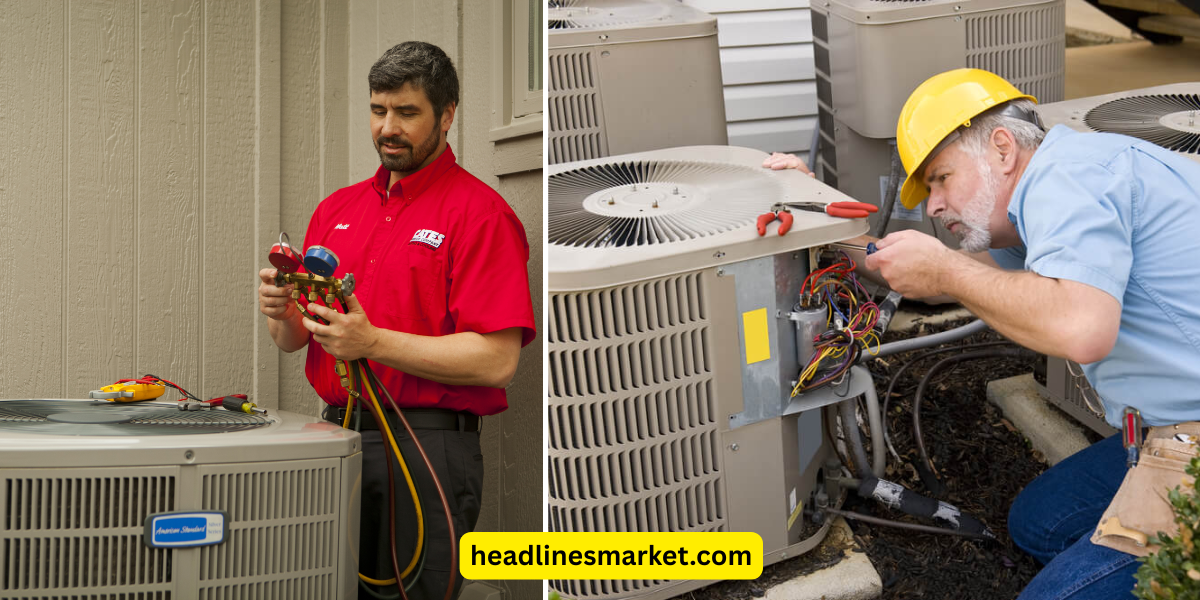
HVAC repair companies are reporting record workloads as the breaking AC issue spreads. Many technicians say they are scheduling appointments days in advance, while others are prioritizing hospitals, senior centers, and emergency facilities. Some large service providers are even flying in additional technicians from neighboring states to keep up with demand. Two paragraphs: next.
Homeowners seeking immediate repairs are facing long waits, pushing many to search for temporary cooling solutions. Portable AC units, window coolers, and high-velocity fans have become some of the most in-demand products in retail stores nationwide. Industry groups expect this surge to continue as weather forecasts show no immediate break in temperature.
Heat Wave Trends Fueling the Breaking AC Emergency
Meteorologists note that the current conditions reflect a broader trend of extreme heat events becoming more frequent and more intense. With temperature records being challenged across the country, the breaking AC phenomenon may be part of a larger climate-driven pattern. Two paragraphs: next.
Forecast models show that heat waves lasting longer than five days have doubled in frequency across major U.S. cities over the last decade. These prolonged events push cooling systems to their limits, especially in regions not historically accustomed to extended periods of high humidity and extreme heat.
What Americans Are Searching and Sharing Online
Social media platforms show millions of posts discussing the breaking AC situation. Hashtags related to the cooling crisis are trending across multiple states, with users sharing tips, frustrations, and real-time updates about indoor temperatures. Two paragraphs: next.
Google Trends data shows massive spikes in searches for emergency AC repair, portable cooling methods, and “how to stay cool without AC.” This surge in online engagement indicates rising concern and widespread confusion, making the topic one of the most talked-about issues of the week.
What Comes Next: Predictions from Climate and Energy Experts
Experts predict that unless temperatures fall or grid pressure stabilizes, the breaking AC pattern could continue for several more days. Climatologists warn that this may become a recurring issue as extreme heat events intensify in future years. Two paragraphs: next.
Energy analysts say infrastructure upgrades are urgently needed, including modernizing electrical grids and improving cooling technology efficiency. Without these updates, the nation could see more widespread cooling outages during high-heat periods. For now, officials recommend preparing for continued strain and staying alert for emergency updates.
How Americans Can Stay Safe During the Breaking AC Wave
Safety officials emphasize the importance of staying hydrated, minimizing indoor heat build-up, and using alternative cooling methods. During a breaking AC event, simple actions can dramatically reduce the risk of heat-related illness. Two paragraphs: next.
Residents are urged to keep blinds closed during the day, avoid using heat-generating appliances, and consider visiting public cooling centers if indoor temperatures become unsafe. These steps can help reduce health risks until cooling systems are restored.
The Bottom Line: A Wake-Up Call for the Nation
The sudden breaking AC crisis is more than a trending headline—it’s a warning sign for a country facing increasingly volatile weather patterns and aging infrastructure. As millions of Americans confront rising temperatures without functional cooling, the situation highlights the urgent need for better preparedness, stronger energy systems, and nationwide heat-resilience plans. Two paragraphs: next.
While the current wave may pass in days, the broader challenge remains. Communities, city planners, and everyday homeowners will need to rethink their approach to extreme heat. The sooner the lessons from this crisis are put into action, the safer the nation will be in the next inevitable heat surge.
