


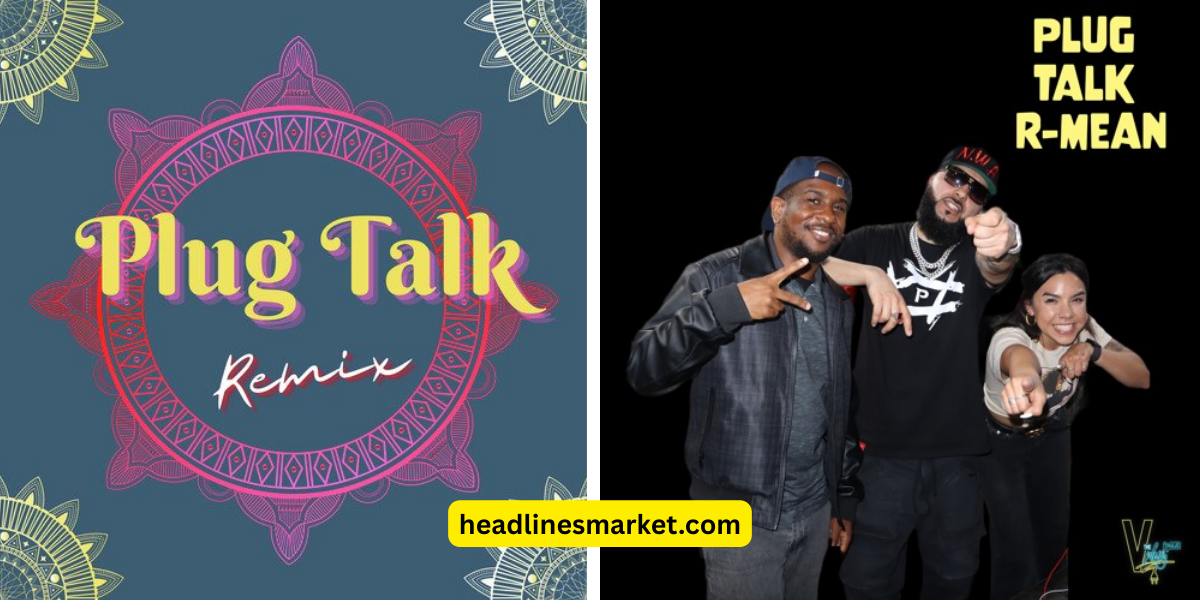
The internet moves fast, but every once in a while, a name cuts through the noise and refuses to disappear. Over the past few weeks, timelines across the United States have been flooded with clips, debates, reactions, and hot takes around one phrase that keeps resurfacing: plug talk. It’s not just another trending topic. It’s a cultural moment unfolding in real time, pulling in millions of views, sparking arguments, and reshaping conversations about media, influence, and boundaries.
Why Plug Talk Is Suddenly Everywhere Online
The sudden surge around plug talk didn’t happen by accident. It rose from a mix of viral clips, algorithm-driven exposure, and a growing appetite for raw, unfiltered conversations. Short-form videos shared across platforms like TikTok, X, and Instagram have pushed the topic into mainstream feeds. In the United States, search interest has spiked sharply, especially among users aged 18 to 34, according to recent trend trackers monitoring digital media behavior.
What makes plug talk stand out is how it blends shock value with storytelling. In an era where audiences scroll endlessly, content that feels bold or controversial tends to stop thumbs mid-swipe. That reaction fuels engagement, which then signals platforms to push the content further. The result is a feedback loop where curiosity, outrage, and fascination all play equal roles in boosting visibility.
The Roots of Plug Talk in Podcast Culture
To understand the current buzz, it helps to look at the broader podcast culture in America. Over the last decade, podcasts have shifted from niche entertainment to mainstream media powerhouses. Plug talk emerged from this environment, where long-form conversations are clipped into short, viral moments designed for social sharing. These clips often carry the most provocative or emotionally charged statements.
Podcast audiences today expect authenticity, even if it feels uncomfortable. That expectation has opened the door for formats that push boundaries. Plug talk fits directly into this trend by offering content that feels unscripted and intense. It reflects a shift in what listeners consider engaging, favoring real reactions over polished production.
Social Media Buzz and Viral Momentum
Social media has been the main engine driving plug talk into trending territory. Viral clips circulate rapidly, often detached from their original context, making them easier to consume and react to. Comment sections become battlegrounds where supporters and critics clash, adding another layer of engagement. This kind of interaction is exactly what platforms reward with wider reach.
In the United States, social media analysts note that topics like plug talk thrive because they spark conversation rather than passive viewing. People aren’t just watching; they’re sharing opinions, stitching videos, and creating response content. That constant cycle keeps the topic alive longer than most trends, turning a moment into an ongoing narrative.
Why Gen Z and Millennials Are Driving the Trend
Gen Z and younger Millennials play a major role in the rise of plug talk. These audiences grew up online and are highly attuned to digital storytelling. They value transparency and often reject traditional media filters. For them, content that feels real, even if controversial, feels more trustworthy than carefully curated narratives.
At the same time, these generations are deeply involved in the creator economy. They understand how monetization works and recognize when content is designed to provoke engagement. Rather than turning away, many lean in, analyzing the strategy behind plug talk while still consuming it. This awareness adds another layer to why the trend resonates so strongly.
Controversy, Criticism, and Cultural Debate
No trending topic survives without controversy, and plug talk is no exception. Critics argue that the format pushes boundaries too far, blurring lines between entertainment and exploitation. Media watchdogs and cultural commentators have raised concerns about the impact on younger audiences and the normalization of extreme content.
Supporters, however, see plug talk as a reflection of free expression in modern digital media. They argue that audiences are capable of choosing what they consume and that controversial conversations have always been part of cultural progress. This debate keeps the topic in headlines and feeds, reinforcing its status as trending news rather than a passing fad.
The Business Side and Monetization Strategy
Behind the scenes, plug talk also represents a smart business model. Viral attention translates directly into revenue through ads, sponsorships, and platform partnerships. In the creator economy, attention is currency, and few trends generate as much consistent engagement. Brands, especially those targeting younger demographics, are paying close attention.
Industry data suggests that podcasts and related clip-based content saw double-digit growth in ad spending over the past year in the United States. Plug talk benefits from this momentum, proving that even controversial formats can be highly profitable. This financial success ensures that similar content will continue to appear.
How Plug Talk Reflects a Shift in Digital Media
The rise of plug talk signals a broader shift in how digital media operates. Traditional gatekeepers no longer control what becomes popular. Instead, algorithms and audience reactions decide. This shift empowers creators but also places responsibility on viewers to navigate content critically.
Plug talk thrives in this environment because it adapts quickly. Clips are edited for maximum impact, headlines are optimized for clicks, and narratives evolve based on audience feedback. It’s a real-time example of how modern media responds instantly to data and engagement patterns.
What the Future Looks Like for Plug Talk
Looking ahead, experts predict that plug talk will influence how future podcasts and digital shows are produced. Expect more emphasis on short, viral moments and less reliance on long promotional cycles. However, sustainability will depend on whether the format can evolve without relying solely on shock value.
In the United States, audiences are already becoming more selective. Trends rise and fall quickly, and only those that adapt survive. If plug talk continues to innovate and respond to criticism, it could become a long-term fixture in digital media rather than a brief headline.
Why This Trend Matters Right Now
Plug talk isn’t just about entertainment. It reflects deeper changes in how Americans consume news, culture, and conversation. It shows the power of social media buzz, the influence of Gen Z, and the economic realities of the creator economy. Understanding this trend offers insight into where digital media is heading next.
As algorithms evolve and audiences demand more authenticity, formats like plug talk will shape the future landscape. Whether you see it as groundbreaking or problematic, ignoring it means missing a key piece of the modern media puzzle.
If you want to stay ahead of trending news, understand viral culture, and see where digital conversations are heading next, now is the time to follow developments around plug talk closely. Share your thoughts, join the conversation, and stay informed as this story continues to unfold.
