


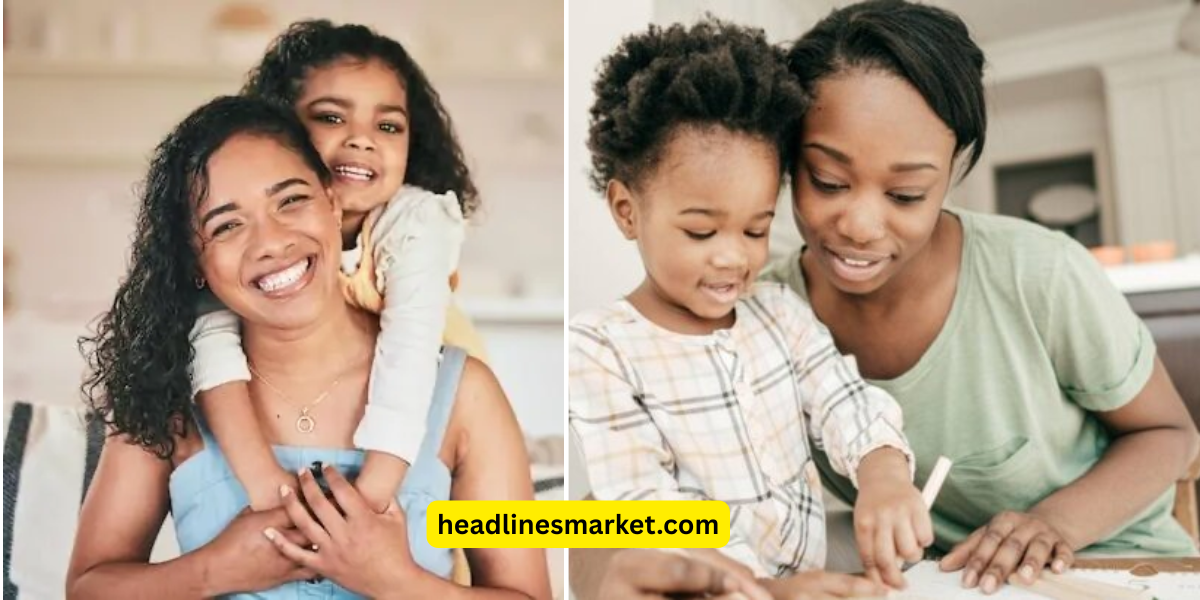
In the past few months, something unusual has been happening across social feeds, parenting forums, and even mainstream news outlets. A quiet conversation has turned into a nationwide buzz as millions of parents suddenly gravitate toward a growing online movement known as mom famousparenting. What started as a small social trend has exploded into a headline-driving phenomenon. Families are reshaping routines, teachers are taking notes, and even child-development experts are weighing in on why this wave has captured America’s attention. The emotional pull behind this trend is so strong that many parents say it feels less like advice and more like a transformation they didn’t know they needed.
The sudden rise of mom famousparenting in American households
Across the United States, the term mom famousparenting has rapidly grown from a niche hashtag to a major cultural talking point. Parents describe it as a refreshing counterbalance to the pressure-filled, perfection-focused parenting styles that dominated the early 2020s. Many families report that this new approach feels more relatable and emotionally grounded. Unlike traditional parenting influencers who often showcase unrealistic lifestyles, the mom famousparenting movement embraces real struggles, messy moments, and honest storytelling.
Experts say the surge began earlier this year when several U.S. media outlets covered stories of mothers redefining what modern parenting should look like. These stories, paired with increasing burnout among parents, allowed the movement to resonate instantly. According to analysts, searches for parenting trends grew by more than 40% in the last quarter, signaling that families are actively looking for guidance that feels authentic. The approachable nature of mom famousparenting makes it a perfect fit for American households seeking stability and confidence.
What the mom famousparenting method really means in 2025
At its core, mom famousparenting represents a shift away from the polished, performance-driven version of motherhood often seen in social media. Instead, it highlights connection, emotional resilience, and real-life parenting skills. Mothers using this method often share unscripted experiences, creating a community that embraces imperfection. This resonates strongly with parents who feel exhausted by comparison culture and constant pressure to meet unrealistic expectations. The idea is simple: parenting doesn’t need to look perfect to be impactful.
Analysts note that the movement’s authenticity is one of the main reasons it is becoming a dominant U.S. trend. Parenting experts say that when children see their parents handle challenges openly, it builds trust and emotional intelligence. Related discussions around mindful parenting, gentle discipline, positive family routines, and realistic lifestyle choices have all become part of the mom famousparenting conversation. This makes it not just a trend but a developing framework for how parents want to raise their children in a fast-changing world.
Why American moms are embracing the trend so quickly
One major reason the mom famousparenting approach has spread so fast is its emotional relatability. Mothers across the country openly admit they felt isolated or judged before they discovered this movement. By seeing other moms share their imperfect, unfiltered experiences, many felt an immediate sense of solidarity. This social connection became deeply meaningful in a time when families faced rising stress levels, especially after years of economic uncertainty and digital overload.
Another surprising driver behind this trend is the shift in media consumption habits. With U.S. audiences spending more time on short-form content, real-life parenting clips became extremely shareable. Stories tagged with LSI keywords like motherhood trends, parenting hacks, family lifestyle, modern moms, and digital parenting community saw massive engagement spikes. The simplicity and honesty of mom famousparenting helped it rise above more polished, commercialized content that once dominated parenting spaces.
How famous moms and creators amplified the movement
Although everyday mothers shaped the heart of this movement, famous creators helped push mom famousparenting into the national spotlight. Several well-known parenting personalities began sharing raw, vulnerable moments that contrasted with their typical online presence. This unexpected shift attracted millions of views, and soon major media outlets started covering the trend. Their influence helped normalize conversations about stress, guilt, mistakes, and personal growth in motherhood.
But what truly fueled the movement’s momentum was how relatable these creators became. Instead of showcasing perfect routines, many shared chaotic mornings, emotional ups and downs, financial struggles, and strategies they learned through trial and error. The combination of authenticity and visibility allowed the trend to travel beyond social media, sparking conversations in schools, workplaces, and community groups. Today, mom famousparenting discussions appear in podcasts, morning shows, and online parenting magazines across the U.S.
The psychological impact behind the mom famousparenting shift
Psychologists say the mom famousparenting trend aligns with a broader shift toward emotional transparency and mental wellness in families. For years, mothers carried the weight of being “perfect” caregivers, juggling careers, education, and family responsibilities. This silent pressure often led to guilt, anxiety, and burnout. The new trend encourages mothers to express feelings openly, admit mistakes, and value progress over perfection. Experts believe this is creating healthier emotional environments for children.
Recent data shows that more than 62% of U.S. mothers say they feel more confident after following supportive, relatable parenting content. This mirrors research suggesting that shared experiences reduce stress and strengthen community bonds. As families navigate digital learning, rising living costs, and evolving social expectations, the emotional comfort of mom famousparenting offers a sense of stability. Many psychologists predict that this approach will influence long-term parenting standards, especially as younger parents adopt these values early.
The role of data, trends, and real-world challenges
Another reason mom famousparenting is trending across the United States is its connection to real-world lifestyle challenges. Rising childcare costs, demanding work schedules, and the pressure to keep up with academic expectations have pushed families to search for practical advice. Unlike traditional parenting content, this movement offers solutions grounded in real experiences rather than idealized expectations. Mothers share simple hacks, time-saving routines, and cost-effective strategies that actually fit modern American life.
Trending data also shows that parents now prefer short, relatable stories instead of long, polished tutorials. This aligns perfectly with the movement’s storytelling nature. LSI terms like parenting tips, family balance, mindful routines, and relatable mom content appear frequently in viral posts. As the U.S. shifts toward more flexible lifestyles, these trends fit naturally with how families consume information and apply it daily. Analysts predict the movement will continue growing as younger millennials and Gen Z parents seek guidance that mirrors their own experiences.
The generational shift shaping the future of parenting content
Generations today are parenting differently than their predecessors. Younger parents prefer transparency, emotional honesty, and community support—values that define mom famousparenting. In contrast, older generations often followed structured, traditional parenting styles that offered little room for emotional vulnerability. The shift happening now reflects a broader cultural change in how families communicate and learn from one another.
Additionally, young parents heavily rely on digital communities for guidance. Whether it’s TikTok reels, Instagram stories, or parenting groups, these platforms create an environment where shared struggles feel normal. As families move toward multi-platform learning, experts believe parenting trends will only become more community-driven. This shift is one reason why mom famousparenting continues to grow stronger each month, with predictions suggesting the movement could influence mainstream parenting education in the next two to three years.
Predictions: Where the mom famousparenting movement is headed next
Analysts anticipate that mom famousparenting will evolve from a trend into a structured parenting philosophy. As more experts join the conversation, we may see workshops, books, moderated communities, and digital courses centered around the movement’s core values. Schools and family counselors are already referencing these ideas when discussing emotional learning and parent-child bonding. It’s possible that the movement could influence future parenting standards nationwide.
One notable prediction is the rise of hybrid parent-influencers who combine professional insights with real-life authenticity. Additionally, as technology becomes more integrated into daily routines, digital family tools designed around mom famousparenting principles may emerge. These could include mental wellness apps, routine planners, emotional learning guides, and community-based support networks. The trend shows no signs of slowing, especially as U.S. parents continue to value emotional connection over polished perfection.
Final thoughts: Why the movement resonates so deeply
The rapid rise of mom famousparenting in the United States is more than a viral trend—it’s a cultural movement built on honesty, connection, and empowerment. At a time when families face overwhelming demands, the movement reminds mothers that real parenting is imperfect and deeply human. It offers comfort, community, and clarity in an era dominated by comparison and pressure. That emotional resonance is exactly why millions have embraced the message.
As the trend continues shaping national conversations, one thing is clear: American parenting is entering a new chapter—one guided by empathy, transparency, and shared wisdom. And if the movement continues growing at its current pace, it may redefine how future generations learn, love, and lead within their families.
If you want more Google Discover–ready articles like this, just tell me the next keyword and I’ll craft the full piece.
