


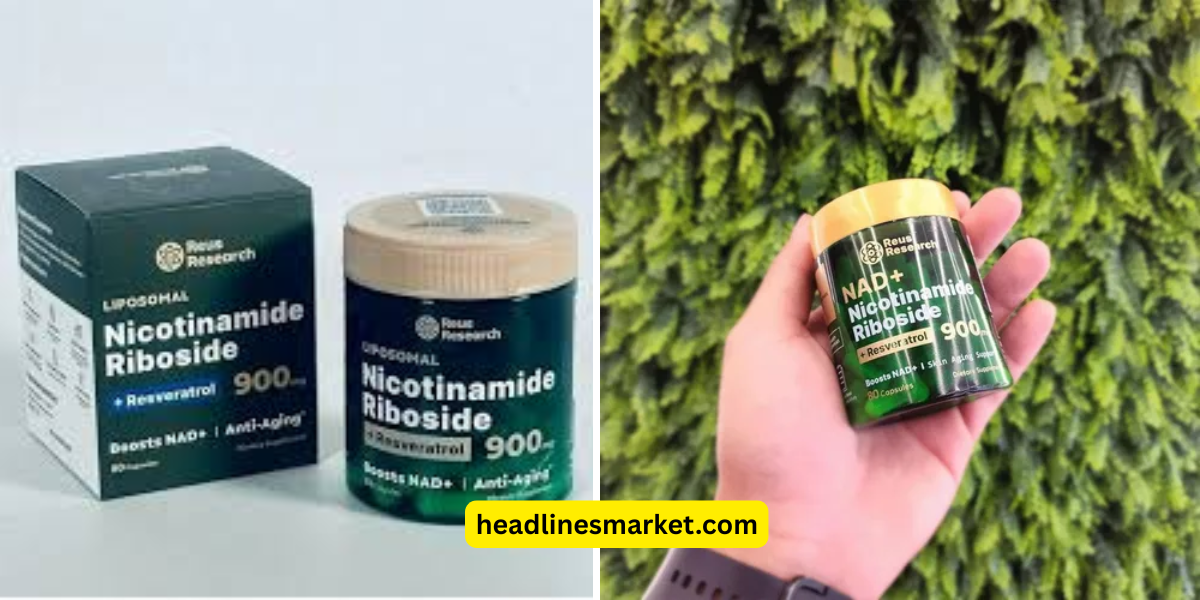
For years, promises of better energy, longer healthspan, and cellular rejuvenation have sold millions of bottles of NAD+ supplements to hopeful reus research nad consumers. But now, the curtain is being pulled back — showing that some of those promises might have been built more on hope than hard science.
While millions quietly took pills believing they were “reviving” their youth at the cellular level, regulators and rival companies began scrutinizing the actual science behind such claims. What they found could reshape the entire NAD+ supplement market, and possibly redefine what “healthy aging” means for people chasing vitality in their 40s, 50s, and beyond.
What happened with reus research nad — and why it matters
The root of the controversy lies with Reus Research LLC, a company that promoted NAD+ supplements under product names such as “reus research nad” and “Cata-Kor NAD+ Advanced.” Earlier this year, the National Advertising Division (NAD) — the U.S. body that oversees marketing claims — concluded that Reus lacked “competent and reliable scientific evidence” for many of its health and efficacy claims.
Specifically, NAD found that while Reus did follow certain testing steps (supporting their claim of third‑party ingredient testing), they failed to show that oral ingestion of their NAD+ supplements actually raised NAD+ levels in the body — no human clinical trials, no rigorous data.
That led NAD to recommend discontinuing many of the reus research nad most attractive marketing claims: ones suggesting the supplement could “fuel cellular repair,” “combat aging,” or “enhance energy and longevity.”
This isn’t just a minor regulatory warning. For hundreds of thousands (if not millions) of Americans who bought into the hype, it’s a wake‑up call — and a strong reminder that “natural” or “anti‑aging” supplements don’t always live up to their glossy marketing.
The bigger context: NAD+ science and real alternatives
Why did reus research nad into trouble — while other companies claim to succeed? The answer lies in the complexity of the biology behind Nicotinamide adenine dinucleotide (NAD+) and how the body processes it.
NAD+ is a vital coenzyme found in every cell. As people age, NAD+ levels tend to decline — a phenomenon linked to reduced cellular energy production and slower metabolism. Many longevity‑focused supplements attempt to reverse or slow that decline by boosting NAD+ levels.
But supplementing NAD+ directly — as Reus did — poses scientific and practical challenges. The body may not absorb NAD+ in its reus research nad whole form easily; there are questions about bioavailability, stability, and whether oral ingestion actually raises intracellular NAD+ in meaningful ways.
Meanwhile, some competitors focus on NAD+ precursors, like nicotinamide riboside (NR), which are more bioavailable and reus research nad better studied. Recent clinical results show real promise — for example, studies have found that NR supplementation can significantly increase NAD+ levels in whole blood and support improvements in fatigue, sleep quality, and mood.
These findings suggest that not all “NAD boosters” are equal — some might raise NAD+ effectively, others might just deliver empty promises.
What this means for the supplement industry — and consumers
The NAD ruling against Reus Research sends a strong signal: regulators are watching, and marketing claims need real science behind them. Experts say 2025 is shaping up to be a watershed year for dietary supplement advertising — especially in categories like healthy aging, cognitive support, and performance nutrition.
For consumers, the message is clear: read the fine print. Supplements that claim to “combat aging” or “reus research nad” should come with peer‑reviewed human studies — not just glossy marketing. In a crowded market, only those backed by solid evidence should be trusted.
For the industry, the stakes are rising. Companies that fail to back up their claims with robust science risk losing credibility — and possibly legal scrutiny. Those that invest in rigorous trials, transparent formulation, and clear labeling may emerge stronger and more trusted.
What the future holds for NAD+ research and “longevity supplements”
Despite the blow to Reus Research, the broader science of NAD+ remains alive — and arguably more important than ever. With companies pushing forward, and new studies — especially human trials — underway, we’re likely to see a clearer picture within the next few years about what NAD+ supplementation can realistically achieve.
Some scientists even believe that NAD+ precursors, when paired with other interventions (healthy diet, exercise, sleep), could help reus research nad improve mitochondrial function, support metabolic health, or mitigate some chronic conditions. Others caution that NAD+ biology is complex — and boosting NAD+ is not a magic bullet.
Regulatory scrutiny may also sharpen. As watchdogs demand better evidence, supplement companies may need to support claims with comprehensive human data — a shift that could reshape how “longevity supplements” are developed, marketed, and regulated.
For consumers, the hope is that the next generation of NAD+ products — ones built around science, not hype — will deliver real health benefits.
Why you should care — and what to do now
If you’ve considered NAD+ supplements (or previously tried them), now is a good time to take stock. Don’t assume “natural” or “reus research nad” tags mean effectiveness. Instead, look for products backed by credible human studies, transparent labeling, and third-party verification.
Avoid overhyped marketing promises — especially those that claim instant rejuvenation or dramatic anti‑aging effects. And stay informed: as science advances, the companies that prioritize integrity over hype will likely lead the way.
In short: the controversy around “reus research nad” isn’t just a scandal — it’s a turning point. For the supplement industry. For consumers seeking real healthspan gains. For the future of longevity science itself.
Now is the time to demand proof, not promises — and to place your trust in science over salesmanship.
