


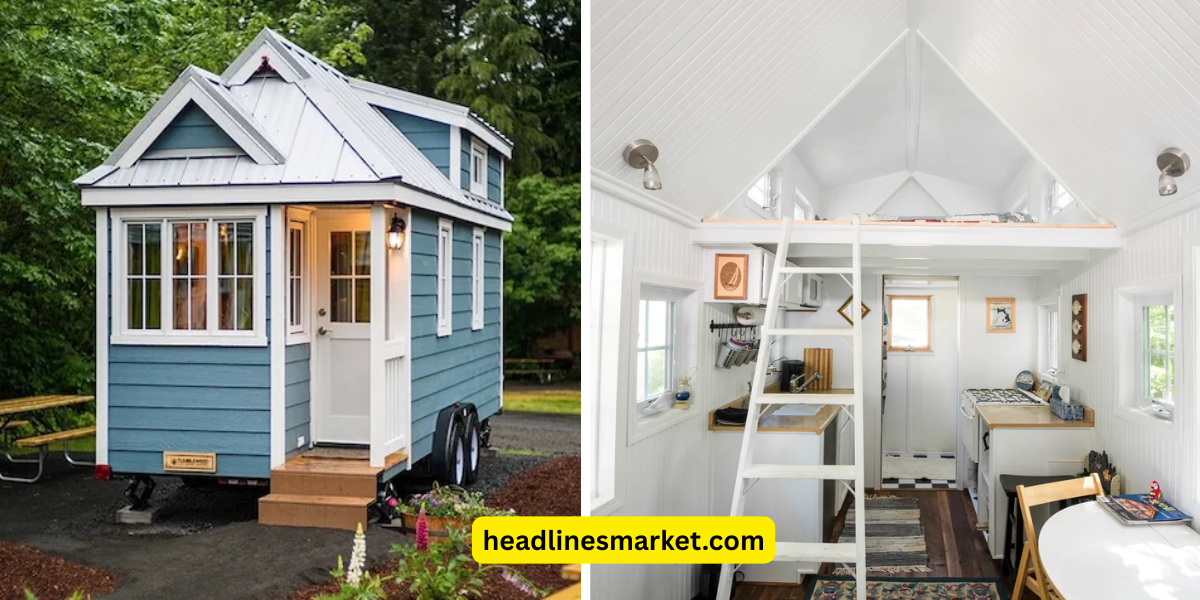
The New American Dream Is Shrinking — And Tiny House Living Is Leading the Way
Tiny house living is no longer a quirky lifestyle choice found on social media; it has become a national movement reshaping how Americans view homeownership, freedom, and financial stability. In the past year alone, search interest for tiny houses has skyrocketed, and thousands of people are downsizing in search of simplicity, affordability, and mobility. The shift feels emotional, even personal. Many say they’re trading stress for space that actually feels like their own. Others describe a sense of liberation they couldn’t find in traditional suburban life. All of this is fueling an explosive trend that experts say is only beginning.
Behind the emotional appeal lies a deeper story about cost-of-living pressures, rising housing prices, and a generation desperate for alternatives. Tiny house living offers exactly that — a practical, flexible, and financially realistic answer during a time when the average American home price exceeds $420,000. As families, singles, retirees, and digital nomads rethink what “home” really means, tiny houses are stepping into the spotlight in a way not seen before. This cultural shift has become powerful enough to shape new laws, inspire states to build tiny-home communities, and even influence urban planning across the United States.
Why Tiny House Living Is Exploding in the United States Right Now
One of the biggest reasons tiny house living is booming is the housing affordability crisis. With interest rates reaching their highest levels in decades and rental prices climbing every quarter, traditional homes have become unreachable for millions. Tiny houses, often costing between $30,000 and $90,000, offer a path to ownership without decades of mortgage debt. For many Americans, this affordability is not just attractive — it’s necessary. The ability to own a home outright for less than the price of a new car gives people financial peace that has become rare in today’s economy.
Another powerful driver is the post-pandemic shift toward remote work. As more Americans break free from office buildings, they’re choosing lifestyles that prioritize mobility, nature, and personal freedom. Tiny house living supports all of these goals. The concept of a home on wheels has allowed people to live near beaches, mountains, or forests while keeping their jobs. This combination of flexibility and independence has become a symbol of modern American freedom, attracting everyone from young couples to retirees seeking adventure.
The Emotional Appeal: Why People Feel Happier Living Smaller
While tiny house living is grounded in practicality, its emotional impact may be even more significant. Many people say moving into a small space forced them to declutter, reset, and rethink what truly matters. This reduction in physical belongings often translates into a calmer mind, fewer distractions, and more time for hobbies or relationships. Studies on minimalism also show that people who intentionally simplify their lives report lower stress levels and higher satisfaction, aligning perfectly with what tiny house residents describe.
There’s also the community factor. Tiny house villages are emerging across states like Colorado, Oregon, Texas, and California, where residents share gardens, workshops, and social spaces. The sense of belonging these communities create has become a major draw, especially for people who felt isolated in large suburban homes or expensive city apartments. For many, this connection becomes a fulfilling antidote to the loneliness that has been rising across the country.
How States Are Responding: New Regulations and Tiny House Communities
In the last two years, more than 15 U.S. states have updated zoning laws to make tiny house living more accessible. Regions that once restricted small structures are now allowing them as primary residences, accessory dwelling units, or part of planned communities. Cities like Austin, Portland, and Denver have taken the lead, approving multiple tiny home developments designed for long-term living. These regulatory shifts are significant because zoning has historically been one of the biggest obstacles for the movement.
Notably, states such as Tennessee, Maine, and Arizona have gone even further, creating legal frameworks specifically supporting tiny homes on wheels. This has encouraged private companies, investors, and nonprofits to build tiny-house villages aimed at everyone from first-time homebuyers to seniors wanting affordable retirement options. These changes indicate that tiny house living is no longer a fringe idea — it’s becoming a recognized and respected part of the American housing landscape.
Financial Freedom: How Tiny House Living Reduces Debt and Increases Savings
One of the strongest arguments for tiny house living is the financial relief it offers. With average household debt rising and cost-of-living pressures intensifying, the ability to dramatically lower monthly expenses has become life-changing for many people. A tiny house can reduce utility bills by up to 80 percent due to its small footprint and energy-efficient layouts. Many tiny homes also include solar power, composting toilets, or rainwater systems, further lowering monthly costs.
In addition to savings, tiny house owners often report reaching financial milestones faster. Paying off student loans, building emergency funds, or saving for travel becomes significantly easier without the burden of traditional housing expenses. This transition toward financial stability is a major reason millennials, Gen Z, and retirees are turning to tiny house living at record rates.
The Sustainability Factor: Why Tiny Houses Are Better for the Planet
Environmental consciousness is another force behind the rising popularity of tiny house living. With climate concerns growing, many Americans are actively looking for ways to reduce waste, conserve energy, and lower their carbon footprint. Tiny houses require fewer building materials, produce less construction waste, and naturally consume less energy. These qualities make them significantly more sustainable than traditional homes.
Moreover, many tiny house residents adopt eco-friendly systems, such as solar panels, greywater recycling, and green roofs. This sustainable mindset aligns with the values of younger generations, who are increasingly aware of environmental issues. As climate trends continue to influence public behavior, tiny house living stands out as a practical, realistic solution for everyday people wanting to make a positive impact.
Tiny House Living in Pop Culture: TV Shows, Social Media, and Viral Videos
The rise of tiny house living has been heavily amplified by popular culture. TV shows on networks like HGTV and streaming platforms have normalized small-space living, showcasing creative design solutions and dramatic lifestyle transformations. These programs have brought millions of viewers into the tiny-house world, inspiring many to try it themselves. Social media platforms such as YouTube and TikTok have also played a major role, with creators sharing tours, DIY builds, and daily routines.
This constant exposure has made tiny house living not just a housing choice but a cultural trend. The aesthetic appeal of cozy, beautifully designed homes under 400 square feet has become a viral pattern across platforms. As long as these videos continue to gain millions of views, experts predict the movement will keep expanding, especially among younger demographics attracted by digital inspiration.
Challenges Behind the Trend: What Tiny House Living Isn’t Telling You
Despite its many benefits, tiny house living is not without challenges. Zoning laws remain complicated in many states, making it difficult to permanently park or legally register certain models. Additionally, financing tiny houses can be tricky, as traditional lenders may not recognize them as standard homes. This forces many buyers to rely on personal loans or cash, which can slow adoption for lower-income families.
Space limitations can also become an issue. While tiny house living encourages minimalism, some residents find the adjustment harder than expected. Limited storage and shared sleeping areas can feel restrictive, especially for families. These hurdles don’t stop the movement, but they highlight the need for better planning, legal support, and realistic expectations for anyone considering this lifestyle.
What Tiny House Living Means for the Future of American Housing
Experts believe tiny house living will continue to reshape American housing in several key ways. First, cities confronting housing shortages may increasingly adopt tiny-home villages as solutions for affordability. Second, younger generations seeking mobility may normalize homes on wheels, blending travel with long-term residency. Third, developers are expected to innovate new designs using smart technology, sustainable materials, and micro-luxury features.
By 2030, analysts predict the tiny house market in the United States could surpass $5 billion as demand grows from young adults, remote workers, eco-minded homeowners, and retirees. This shift reflects a deeper cultural transformation — one that values freedom, flexibility, and intentional living over square footage. Tiny house living isn’t a temporary trend; it’s becoming an influential pillar in the future of American housing.
Conclusion: Why Now Is the Time to Take Tiny House Living Seriously
Tiny house living has evolved from a niche curiosity into a national movement driven by necessity, passion, and fresh ideas about homeownership. With housing costs rising, sustainability becoming urgent, and more people craving freedom, the tiny house revolution is only accelerating. Whether you’re looking for financial relief, a simpler lifestyle, or a bold personal adventure, this trend offers possibilities unlike anything else in the current housing market.
If you’re curious about joining the movement, now is the perfect time to explore your options, research local regulations, and imagine what life could look like with more freedom and less space. The tiny house future is here — and it’s transforming the American dream step by step.
